Reflect Heat. Cool Every Floor Below.
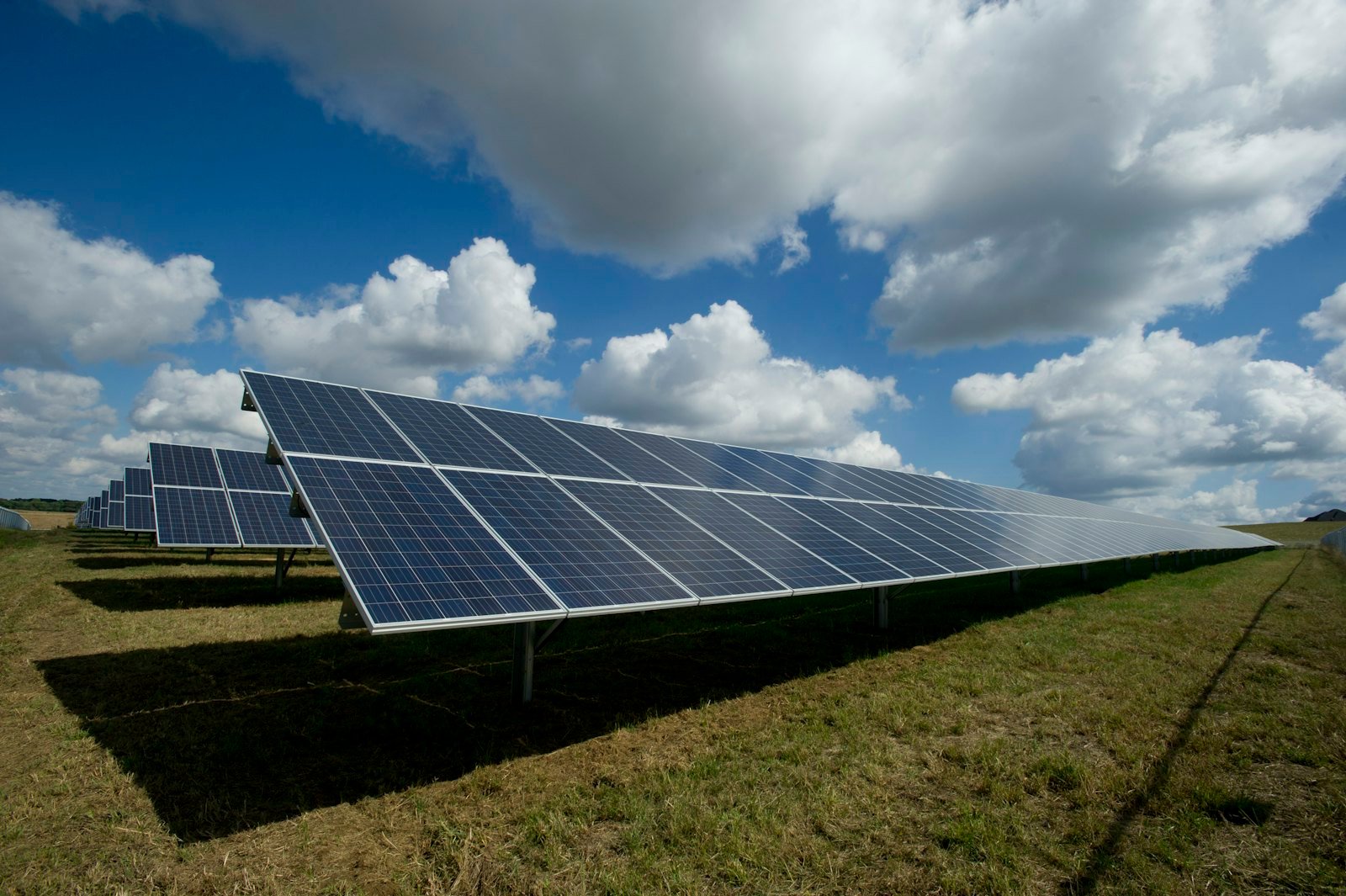
Solar-reflective thermal coatings cheat the desert: less heat absorbed by the roof means less load on every air conditioner beneath it.

Reflection Only Works On A Sound Surface
Cool roof coatings are one of the most oversold products in this market — and one of the most effective when correctly specified.
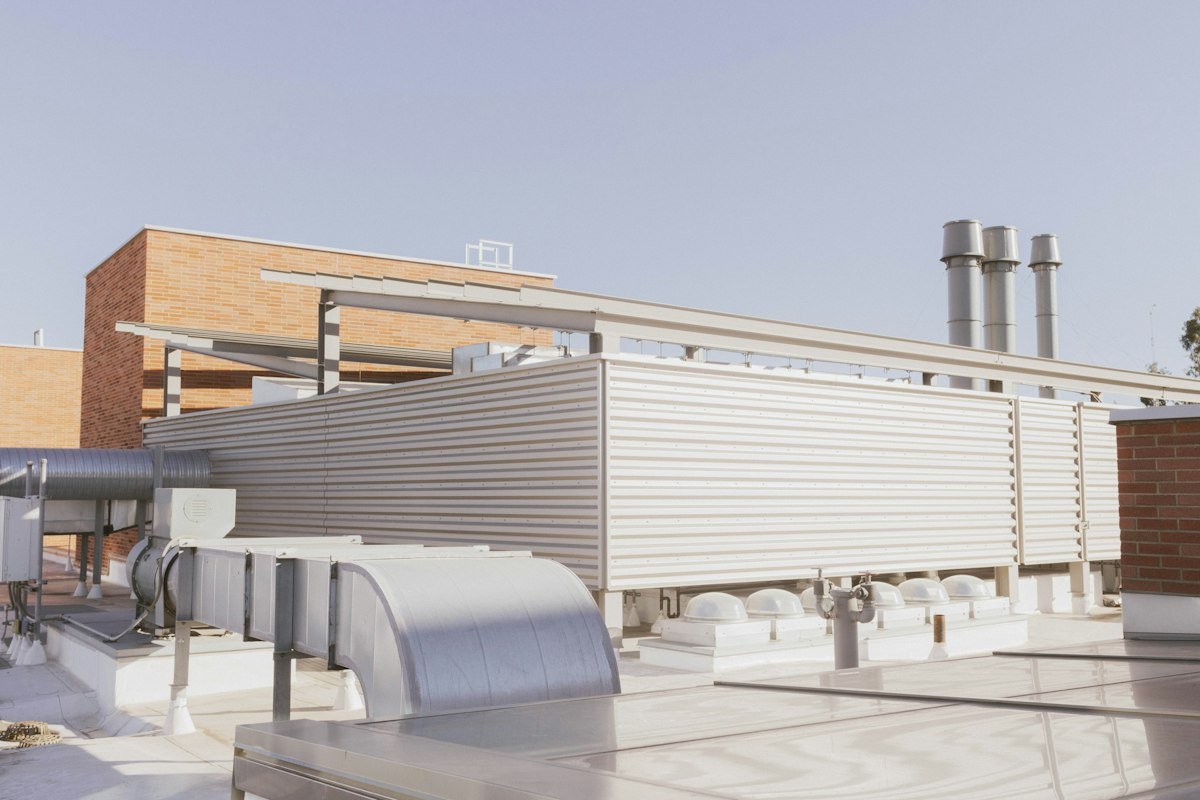
On a clean, sound concrete roof, a quality reflective coating genuinely cuts surface temperatures and the heat load below — that is measurable, and we log it. On a dusty, cracked or ponded one, the same product flakes within seasons and the client feels cheated. The difference is not the coating; it is the survey-before-application discipline, which is exactly what we do in every scope.
We quote cool roof works with a preparation demand sheet: pressure wash, crack treatment, primers where needed, two coats at specified wet thickness, and temperature comparison logged before/after. If your roof details (parapets, pedestals, ponding) also leak, the honest order is waterproofing first (roof waterproofing services), then the reflective layer.
Cool Roof Application Method
- Substrate auditSurface cleanliness, cracks, previous coatings, ponding — logged with photos as the basis for quotation.
- Surface prepPressure washing to sound concrete; loose coating removed; patch repairs where required.
- Primer (where needed)Correct primer per product spec for the substrate — not a skipped step.
- ApplicationTwo coats at wet-film thickness per datasheet; details and upstands brushed in first before field coats.
- Temperature comparisonBefore/after surface temperature logged into the handover file.
- Recoat planRecoat interval documented so the program stays effective rather than degrading unnoticed.
Cool Roof FAQs
A high-reflectivity, high-emissivity elastomeric coating applied over a concrete roof surface. It bounces a large share of solar radiation back instead of absorbing it, then sheds absorbed heat efficiently — the roof surface stays measurably cooler and less loads the space below.
Reflection helps, but metal roofs need a different approach: their real problem is movement at laps and details, which a coating cannot solve mechanically. On metal we recommend EPDM waterproofing as the structural fix and treat reflection as an additional consideration — see metal roof waterproofing.
When the substrate is not sound: dusty, cracked, previously painted with loose distress, or badly ponded. Coating over a failing surface just creates a flaking monument of the failure. Our survey says so plainly, and suggests membrane + screed correction instead where the data supports it.
Published vendor claims are large; we prefer to log before/after surface temperatures during your own works so the client keeps the comparison in writing.
Both are possible, depending on substrate condition: sound existing membranes can receive reflective recoats, but failing membranes need repair/replacement first — a cool layer over a wet roof is a waste. Surveys decide; the quote separates the scopes.
Typically a multi-year cycle before recoating is recommended; the coating durability dates and recoat interval are stated per product datasheet in the warranty file. Recoating is straightforward and priced as a refresh, not a rebuild.
Cool It The Right Way
Survey-driven reflective coatings — or the membrane alternative when that is what your roof needs.